

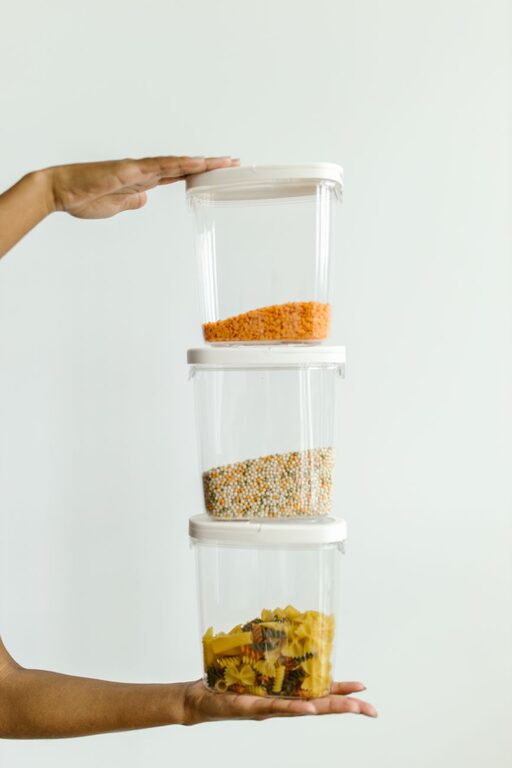
Planning meals from pantry staples is a practical and budget-friendly way to prepare tasty dinners without frequent grocery trips. By learning how to make the most of what you already have in your pantry, you can save time, reduce food waste, and enjoy more homemade meals. In this post, we’ll guide you through useful steps and ideas to plan meals using your pantry essentials.
Why Plan Meals from Pantry Staples?
Pantry staples are non-perishable or long-lasting ingredients like rice, pasta, canned beans, and spices that you keep on hand. Using these staples as a meal foundation helps you avoid last-minute dinner stress and enables creative cooking with limited ingredients. Planning meals around these items also helps stretch your grocery budget and keeps your kitchen organized.
Step 1: Take Inventory of Your Pantry
Before planning meals, it’s important to know what you already have. Take a few minutes to:
– Check cans, jars, and boxed goods
– Note grains such as rice, quinoa, and pasta
– Look for canned or dried beans and lentils
– Identify oils, vinegars, and condiments
– Review spices and seasonings
Create a simple list or spreadsheet to track ingredients and quantities. This will make meal planning faster and prevent buying duplicates of what you don’t need.
Step 2: Identify Versatile Staples
Certain pantry staples work well in many recipes. Common versatile items include:
– Canned tomatoes: great for sauces, stews, and soups
– Beans and lentils: protein-packed and filling
– Pasta and rice: easy bases for many dishes
– Broth or stock: adds flavor to soups and casseroles
– Olive oil and vinegar: essential for dressings and cooking
Knowing which ingredients are flexible helps you plan meals that can be customized according to your taste or what fresh ingredients you have.
Step 3: Plan Balanced Meals Around Staples
A balanced meal includes a source of protein, carbohydrates, vegetables, and healthy fats. Here’s how to build meals using pantry items alongside fresh or frozen produce:
Protein
– Canned beans like chickpeas, black beans, or kidney beans
– Lentils (dried or canned)
– Canned tuna or salmon
– Nuts and seeds
Carbohydrates
– Rice, pasta, or grains like quinoa or couscous
– Potatoes or sweet potatoes (fresh or frozen)
Vegetables
– Fresh produce (whatever you have on hand)
– Frozen vegetables
– Canned vegetables (look for low-sodium options)
Healthy Fats
– Olive oil or other cooking oils
– Nut butters
– Avocado (fresh or frozen if available)
Step 4: Use Meal Planning Templates or Tools
Consider creating a weekly meal plan that lists dishes based on pantry ingredients. This helps you organize your cooking schedule, grocery needs, and leftovers. Some popular pantry-based recipes to include are:
– Lentil soup with canned tomatoes and spices
– Chickpea curry served over rice
– Spaghetti with tomato sauce and canned tuna
– Stir-fried rice with frozen vegetables and soy sauce
– Bean chili with canned beans and corn
Step 5: Stock Up on Complementary Fresh or Frozen Ingredients
While the pantry forms the foundation, pairing pantry staples with fresh or frozen ingredients adds flavor and variety. Vegetables like onions, garlic, carrots, and leafy greens can usually be stored for a few days or weeks and enhance dishes. Frozen veggies and fruits are convenient and nutritious backups.
Step 6: Keep Seasonings and Condiments Well-Stocked
Seasonings transform simple pantry staples into delicious meals. Essential items to keep include:
– Salt and pepper
– Garlic powder and onion powder
– Dried herbs like oregano, basil, thyme, and rosemary
– Ground spices such as cumin, paprika, chili powder, and curry powder
– Soy sauce, hot sauce, mustard, and vinegar varieties
Quick Recipe Ideas Using Pantry Staples
Here are a few easy recipes you can try:
1. Pantry Pasta
Cook pasta according to package instructions. In a skillet, sauté garlic in olive oil, add canned tomatoes, salt, pepper, and herbs. Toss pasta in sauce and top with grated cheese if available.
2. Chickpea Salad
Mix canned chickpeas with chopped onion, olive oil, vinegar or lemon juice, salt, pepper, and any fresh herbs or veggies you have. Serve on its own or over greens.
3. Lentil and Vegetable Soup
Simmer lentils with canned tomatoes, broth, chopped carrots, onions, and spices. Cook until lentils are tender and serve warm.
4. Fried Rice
Use leftover rice, sautéed with frozen mixed vegetables, scrambled eggs or canned tuna, soy sauce, and sesame oil if on hand.
Tips to Maintain a Well-Stocked Pantry
– Keep an inventory chart updated as you use ingredients
– Store items in clear containers to see contents easily
– Rotate older items to the front to use them first
– Buy staples in bulk when possible for savings
– Regularly revisit your pantry to remove expired items
Conclusion
Meal planning using pantry staples can simplify your cooking routine and save money. By taking inventory, focusing on versatile ingredients, balancing meals, and adding fresh produce when possible, you can create satisfying, wholesome dishes every day. Start small with a few recipes and build confidence cooking from your pantry—the possibilities are endless!
Remember, a well-organized pantry is the first step to stress-free, tasty meals anytime. Happy cooking!