

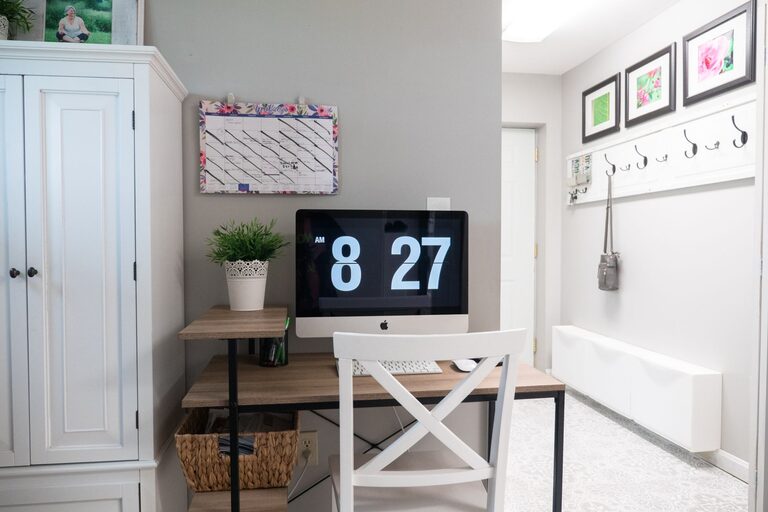
Creating a family command center can transform the way your household manages schedules, chores, and important information. A well-designed command center acts as a central hub where everyone in the family can easily access calendars, reminders, notes, and essential documents. This helps reduce stress, avoid missed deadlines, and keep daily life running smoothly.
If you’re wondering how to set up a family command center, this guide will walk you through the process step-by-step, with ideas for what to include and tips to make it effective for your unique family needs.
What Is a Family Command Center?
A family command center is a designated area in your home, often in a high-traffic location like the kitchen or hallway, where you organize and display information that helps coordinate family activities. It usually includes calendars, chore charts, important contact lists, and other tools to keep everyone informed and on the same page.
By having one spot for essential family info, you reduce clutter, improve communication, and help all family members take responsibility for their commitments.
Step 1: Choose the Right Location
The first step is picking a convenient, visible place that the whole family passes by daily. Common spots include:
– The kitchen wall near the breakfast area
– A hallway or entryway wall
– Near the family’s main workspace or desk
Make sure the area has enough space for your planned setup and is easily accessible for all family members, including children.
Step 2: Decide on a Command Center Style
There are many ways to set up a command center depending on your space, style, and what you want to include. Popular options include:
– Wall-mounted boards: Use corkboards, magnetic dry erase boards, or chalkboards.
– Bulletin boards: Pin calendars, reminders, and notes.
– Shelves and cubbies: Keep mail, keys, and school supplies organized.
– Combination setups: Mix boards with shelves and containers for a full-featured space.
Choose materials and colors that complement your home décor and are easy to maintain.
Step 3: Gather Essential Supplies
To build an effective command center, you’ll want some basic supplies on hand:
– Calendar(s): wall calendar, dry erase calendar, or printable planner pages
– Whiteboard or chalkboard for notes and messages
– Corkboard or bulletin board for pinning papers and reminders
– Storage containers, baskets, or mail organizers
– Hooks or small shelves for keys and personal items
– Pens, markers, sticky notes, and magnets
– Labels to keep sections clear
– A place for charging devices can be helpful too
Step 4: Choose What to Include
Your family command center should include tools that fit your family’s specific needs. Common elements are:
Calendars and Schedules
– A family calendar showing everyone’s appointments, school events, sports practices, and work schedules
– Individual chore charts or schedules for kids
– Meal plans or grocery lists
Communication Center
– A message board for reminders, notes, or motivational quotes
– Important contact information, such as emergency numbers, babysitter details, and school information
– A place for invitations, permission slips, and important mail
Organization and Task Management
– To-do lists for household projects or errands
– A bill payment or important documents folder
– Key holders or hooks for backpacks and coats
Inspirational and Fun Additions
– Family goals or a gratitude board
– A spot for artwork, photos, or seasonal decorations
Step 5: Arrange Your Command Center for Easy Use
Layout matters to make your command center practical and inviting. Here are some tips:
– Place the calendar(s) prominently so everyone can see upcoming events at a glance.
– Keep markers, pens, and sticky notes in easy-to-reach containers.
– Use clear labels for different sections to avoid confusion.
– Make it kid-friendly with lower hooks or charts they can easily use.
– If possible, include a small bench or stool for younger children.
– Keep frequently used items at eye level and less-used supplies higher or in drawers.
Step 6: Establish a Routine
Once your command center is set up, the key to success is making it a part of your family’s routine. Some ideas:
– Have a daily or weekly family meeting to review the calendar and upcoming tasks.
– Encourage everyone to update their schedules and notes regularly.
– Assign a family member to check and clear out the mail or paperwork daily.
– Use the command center as a communication tool for reminders and encouragement.
Step 7: Maintain and Update Regularly
A command center works best when it stays current and organized. Set aside time each week to:
– Remove outdated papers, invitations, and reminders.
– Update calendars and to-do lists.
– Adjust chore charts or schedules as needed.
– Refresh the space with new decorations or incentives to keep it engaging.
Bonus Tips for Success
– Involve the whole family when designing and setting up the command center. It creates buy-in and encourages everyone to use it.
– Use color coding for different family members or types of activities.
– Consider digital options like a shared family calendar app to complement your physical command center.
– Keep it simple at first—add features gradually to avoid overwhelm.
Conclusion
Setting up a family command center is a straightforward way to boost household organization and communication. By selecting a convenient location, choosing useful tools, and developing consistent habits, your family can stay better connected and on track with schedules, chores, and important events.
Give it a try and watch as your home runs more smoothly with everyone involved and informed!